Learning how to say Bless You in Spanish is important for everyday interactions, especially when someone sneezes or needs a kind response. This simple phrase shows good manners, respect, and care in Spanish-speaking cultures.
By knowing the right expressions, you can sound polite and connect more naturally with native speakers. Adding these phrases to your vocabulary will make your conversations warmer and more thoughtful.
Bless You in Spanish
15 Ways to Say Bless You in Spanish
| No. | Spanish Phrase | English Meaning |
|---|---|---|
| 1 | Salud | Bless you / Health |
| 2 | Jesús | Jesus (common after a sneeze) |
| 3 | Dios te bendiga | God bless you |
| 4 | A tu salud | To your health |
| 5 | Que Dios te acompañe | May God be with you |
| 6 | Que te mejores | Get well soon |
| 7 | Mucha salud | Lots of health |
| 8 | Larga vida | Long life |
| 9 | Salud y bienestar | Health and well-being |
| 10 | Que descanses | Rest well |
| 11 | Bendiciones | Blessings |
| 12 | Que tengas buena salud | Wishing you good health |
| 13 | Que el Señor te bendiga | May the Lord bless you |
| 14 | Con salud | With health |
| 15 | A tu bienestar | To your well-being |
Let’s dive into 15 ways to say bless you in Spanish, with real-life conversations and the origins of each phrase.
1. ¡Salud! (Health!)
Origin:
The most common response to a sneeze in Spanish-speaking countries. Rooted in the belief that sneezing could weaken your health, people would wish “health” upon the sneezer.
Example:
👤 User A: (sneezes)
👤 User B: ¡Salud!
👤 User A: Gracias.
Use: Universal, casual, and used across all Spanish-speaking countries.
2. Jesús (Jesus)

Origin:
Dating back to medieval Spain, people would say “Jesús” to ask for divine protection when someone sneezed, believing that sneezing could signal illness or the soul escaping.
Example:
👤 User A: (sneezes)
👤 User B: Jesús.
👤 User A: Gracias.
Use: Common in Spain and some Latin American countries; casual but spiritual.
3. Dios te bendiga (God bless you)
Origin:
A direct equivalent to the English “God bless you,” often used by older generations or in religious families.
Example:
👤 User A: (sneezes)
👤 User B: ¡Dios te bendiga!
👤 User A: Muchas gracias.
Use: Formal, caring, or religious contexts.
4. Salud, dinero y amor (Health, money, and love)
Origin:
A playful, traditional trio said after consecutive sneezes:
Example:
👤 User A: (sneezes three times)
👤 User B: Salud… Dinero… ¡Y amor!
👤 User A: ¡Ojalá tenga los tres!
Use: Fun and cultural; often said humorously among friends.
5. Amor (Love)
Origin:
Sometimes people skip straight to “amor” if the person sneezes more than once, continuing the “health, money, love” tradition.
Example:
👤 User A: (second sneeze)
👤 User B: Amor.
👤 User A: ¡Qué romántico!
Use: Informal, lighthearted.
6. Dinero (Money)
Origin:
Said after a second sneeze, per the common “salud, dinero y amor” tradition.
Example:
👤 User A: (sneezes twice)
👤 User B: Dinero.
👤 User A: ¡Ojalá que venga pronto!
Use: Casual, playful.
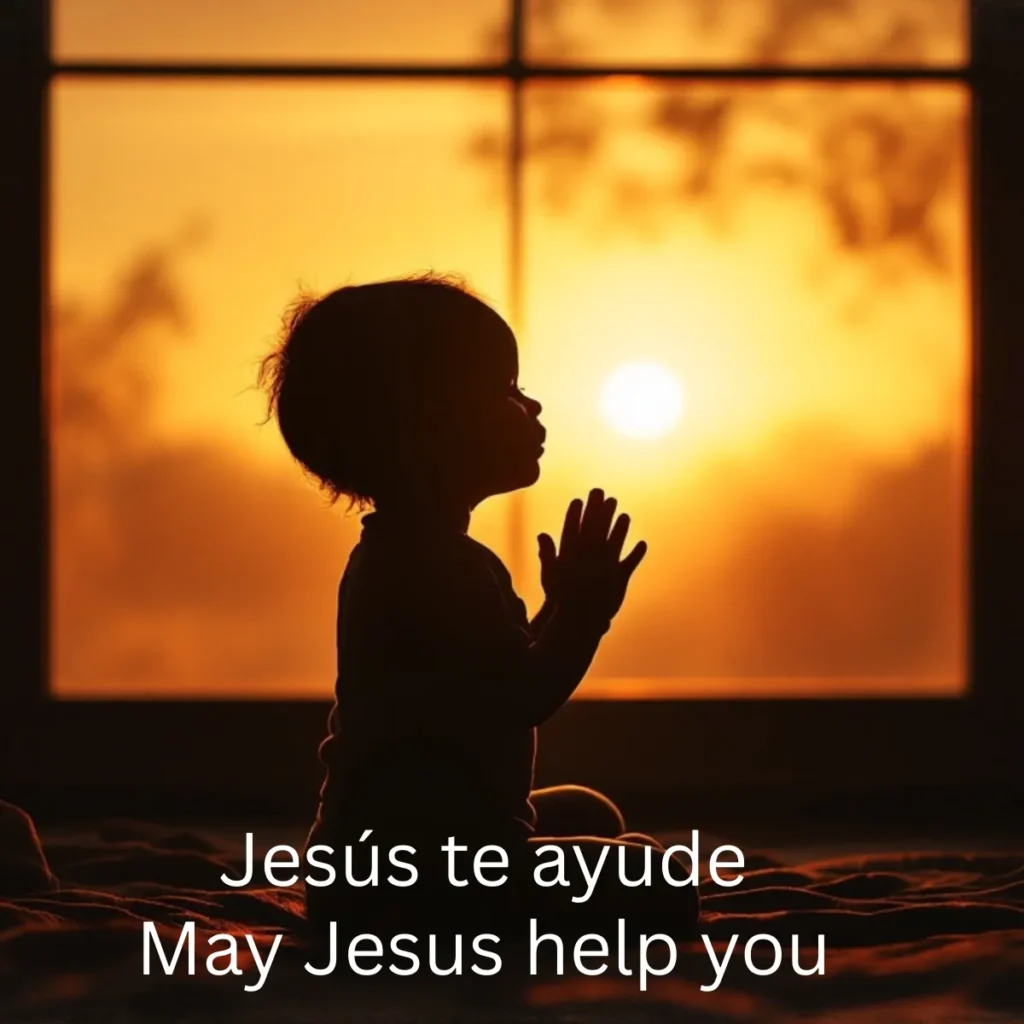
7. Jesús te ayude (May Jesus help you)
Origin:
A more complete religious phrase, still used in highly spiritual or older communities.
Example:
👤 User A: (sneezes)
👤 User B: Jesús te ayude.
👤 User A: Amén, gracias.
Use: Religious or older generations.
8. ¡Viva!
Origin:
Used occasionally in Spain or festive contexts, “¡Viva!” is like cheering someone on.
Example:
👤 User A: (sneezes)
👤 User B: ¡Viva!
👤 User A: ¡Viva yo!
Use: Humorous and upbeat; less common.
9. ¡Jesús, María y José! (Jesus, Mary, and Joseph!)
Origin:
Traditional religious phrase invoking the Holy Family, sometimes used dramatically or humorously.
Example:
👤 User A: (sneezes loudly)
👤 User B: ¡Jesús, María y José!
👤 User A: ¡Fue solo un estornudo!
Use: Humorous or highly traditional.
10. Saluditos (Little health)
Origin:
A cutesy or affectionate version of “salud,” often used with kids or in playful tone.
Example:
👤 User A: (child sneezes)
👤 User B: ¡Saluditos, mi amor!
👤 User A: ¡Gracias!
Use: Tender or with children.
11. Que no sea COVID (Hope it’s not COVID)
Origin:
A modern and humorous post-pandemic response.
Example:
👤 User A: (sneezes)
👤 User B: ¡Que no sea COVID!
👤 User A: ¡Solo es alergia!
Use: Casual, humorous.
12. ¡Salud, campeón! (Bless you, champ!)
Origin:
An affectionate and informal twist on the classic “salud,” often used with kids or friends.
Example:
👤 User A: (sneezes)
👤 User B: ¡Salud, campeón!
👤 User A: ¡Gracias, crack!
Use: Friendly and endearing.
13. ¡Cuídate! (Take care!)
Origin:
Used more as a well-wish beyond the sneeze, implying concern for the person’s well-being.
Example:
👤 User A: (sneezes)
👤 User B: ¡Cuídate, eh!
👤 User A: Gracias, creo que me está dando gripe.
Use: Warm, informal.
14. ¡Te cubro! (I’ve got you covered!)
Origin:
A slangy, modern response often used among close friends—implying support, like “I got your back.”
Example:
👤 User A: (sneezes)
👤 User B: ¡Te cubro!
👤 User A: Jajaja, gracias, soldado.
Use: Playful, creative.
15. Nada de estornudos, ¿eh? (No sneezing allowed, huh?)
Origin:
A joking way to react to sneezing, often teasing someone for their sneeze.
Example:
👤 User A: (sneezes)
👤 User B: ¡Nada de estornudos, eh!
👤 User A: ¡Intentaré contenerlos!
Use: Humorous and sarcastic.
FAQs
1. How do you say “Bless you” in Spanish?
The most common way is “¡Salud!”, which people say after someone sneezes.
2. What does “Salud” mean in English?
It means “health.” You’re wishing the person good health after sneezing.
3. How do you pronounce “Salud”?
It’s pronounced sah-LOOD.
4. Are there other ways to say “Bless you” in Spanish?
Yes, you can also say “Jesús” or “Dios te bendiga” (God bless you).
5. When do people say “Jesús” instead of “Salud”?
Some Spanish-speaking countries use “Jesús” right after a sneeze, especially in Spain.
6. What does “Dios te bendiga” mean?
It means “God bless you.” It’s used more in religious or formal contexts.
7. Is “Salud” used only for sneezing?
Mostly, yes — but it can also mean “cheers” when toasting drinks.
8. How do you respond when someone says “Salud”?
You can simply say “Gracias”, which means “Thank you.”
9. Do people say different phrases after multiple sneezes?
Yes! In Spain, after the first sneeze they say “Jesús,” after the second “María,” and after the third “José.”
10. Is it polite to say “Bless you” in Spanish culture?
Absolutely! Saying “Salud” or “Jesús” is considered kind and respectful.
Conclusion:
Understanding how to say Bless You in Spanish helps you respond with kindness and respect in daily situations. Whether you use salud, Jesús, or other variations, these phrases reflect cultural politeness and friendliness. Using them regularly will make your Spanish conversations feel more natural and caring.

Sophia Mitchell is a passionate content writer known for creating clear, engaging, and informative articles.
She focuses on delivering well-structured content that is easy for readers to understand and trust.
Sophia Mitchell currently contributes quality writing to repliesnest.com, helping readers find accurate answers quickly.