Learning how to say Happy Eid Mubarak will help you greet friends, family, and fellow Muslims with warmth and respect during this joyous occasion.
Eid, celebrated as Eid al‑Fitr and Eid al‑Adha, is a time of happiness, gratitude, and community, and offering the right greeting can make it even more meaningful. From traditional Arabic phrases like Eid Mubarak to casual and friendly wishes in English, there are many ways to share your joy.
In this guide, you’ll discover 15 ways how to say Happy Eid, along with examples so you can express your heartfelt greetings in any setting.
Heartfelt Ways to Say Happy Eid Mubarak
Let’s explore 15 meaningful ways to say Happy Eid, each with real conversation examples and the origins behind them.
15 Ways to Say Happy Eid Mubarak (Short & Simple)
| # | Phrase | Meaning | Use |
|---|---|---|---|
| 1 | Eid Mubarak | Happy Eid | Most common greeting |
| 2 | Khair Mubarak | Reply to Eid Mubarak | Response |
| 3 | Taqabbalallahu minna wa minkum | May Allah accept our deeds | Religious / Sunnah greeting |
| 4 | Eid Sa’id | Happy Eid | Arabic-speaking regions |
| 5 | Kul ‘am wa antum bi-khayr | Wishing you well every year | Formal + respectful |
| 6 | Happy Eid | English version | Casual, friendly |
| 7 | Eid Mubarak to you and your family | Blessing to the whole family | Warm & thoughtful |
| 8 | Chand Raat Mubarak | Happy moon night (before Eid) | Used night before Eid |
| 9 | Eidi kab milay gi? 😄 | Where is my Eid gift? | Funny, casual |
| 10 | Mubarak ho Eid aa gai! | Eid has arrived! | Excited tone |
| 11 | Stay blessed this Eid | Prayer style greeting | Nice & soft |
| 12 | May your Eid be full of joy | Wishing happiness | heartfelt |
| 13 | Bohat bohat Eid Mubarak | So many Eid wishes | Friendly tone |
| 14 | Eid Mubarak! Take care | Greeting + care | Sweet and warm |
| 15 | Eid Mubarak! May peace be with you | Peaceful prayer greeting | Beautiful in any situation |
1. Eid Mubarak
Origin:
Arabic for “Blessed Festival.” This is the most traditional and widely used greeting among Muslims worldwide during both Eid holidays.
Example:
👤 User A: Eid Mubarak, Ahmed!
👤 User B: Eid Mubarak! May Allah accept our prayers.
Use:
Universally accepted in Muslim cultures, both formal and casual.
2. Happy Eid
Origin:
A straightforward English version of the greeting. It’s often used by non-Muslims or English-speaking Muslims to convey well wishes.
Example:
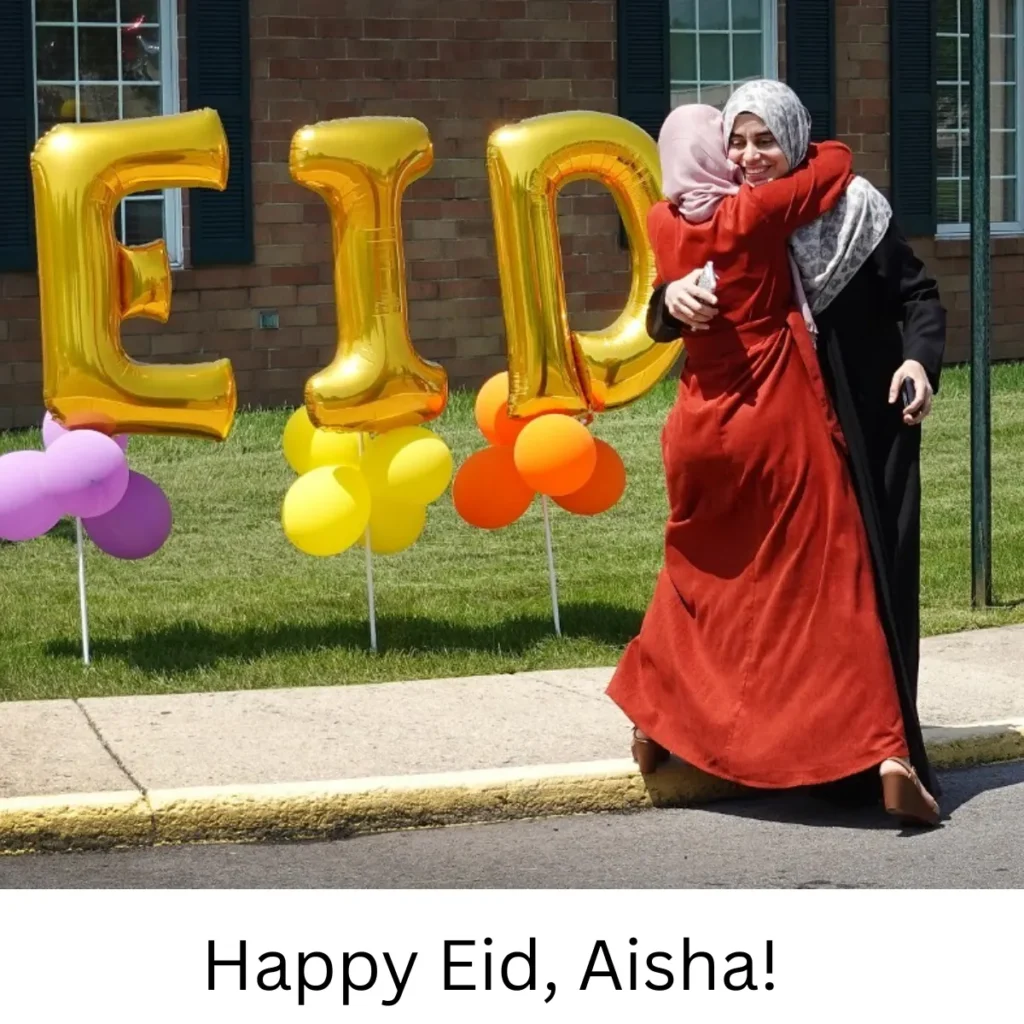
👤 User A: Happy Eid, Aisha!
👤 User B: Thank you! That’s so kind of you.
Use:
Casual, respectful, especially good for interfaith greetings.
3. Eid Sa’id
Origin:
Another Arabic phrase, meaning “Joyful Eid.” It’s more common in regions like Egypt, Jordan, and Syria.
Example:
👤 User A: Eid Sa’id, Noor!
👤 User B: Wa anta sa’id! (And happy to you too!)
Use:
Slightly less common than Eid Mubarak, but warmly received.
4. Blessed Eid to You
Origin:
An English translation and variation of “Eid Mubarak.” A bit more poetic and formal.
Example:
👤 User A: Wishing a blessed Eid to you and your family!
👤 User B: Thank you! May yours be filled with peace.
Use:
Formal, often used in cards or emails.
5. Wishing You a Joyful Eid
Origin:
A kind and modern English expression focusing on the celebratory aspect of Eid.
Example:
👤 User A: Wishing you a joyful Eid, Fatima!
👤 User B: That means a lot—thank you!
Use:
Warm and friendly; perfect for greetings or text messages.
6. Kullu ‘am wa antum bikhayr (كل عام وأنتم بخير)
Origin:
Arabic phrase meaning “May you be well every year.” Common in the Levant and Gulf countries.
Example:
👤 User A: Kullu ‘am wa antum bikhayr!
👤 User B: Wa antum bikhayr! Eid Mubarak!
Use:
Formal, traditional, widely used across Arab-speaking countries.
7. May Your Eid Be Full of Blessings
Origin:
A personalized English expression derived from Islamic teachings on gratitude and blessings.
Example:
👤 User A: May your Eid be full of blessings and peace.
👤 User B: Ameen! Thank you so much.
Use:
Elegant and spiritual; suitable for heartfelt messages.
8. Warm Eid Wishes
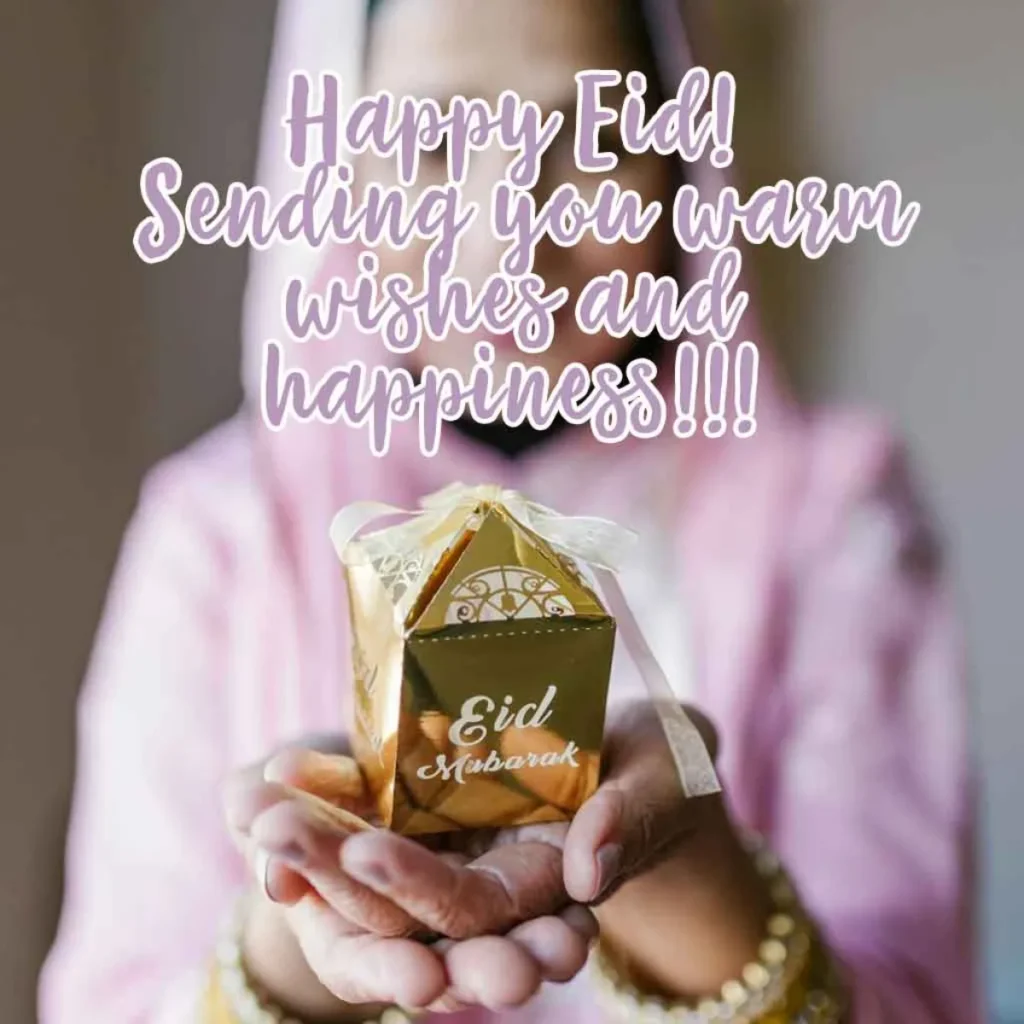
Origin:
A modern phrase used mostly in Western countries in greeting cards or online posts.
Example:
👤 User A: Sending warm Eid wishes your way!
👤 User B: Thanks! Same to you!
Use:
Casual to semi-formal; fits both digital and print.
9. Eid Kareem
Origin:
Arabic for “Generous Eid.” More commonly heard during Ramadan, but still used during Eid in some areas.
Example:
👤 User A: Eid Kareem!
👤 User B: Eid Mubarak! May your Eid be generous and sweet.
Use:
Less common than “Eid Mubarak,” but still beautiful and respectful.
10. Have a Beautiful Eid
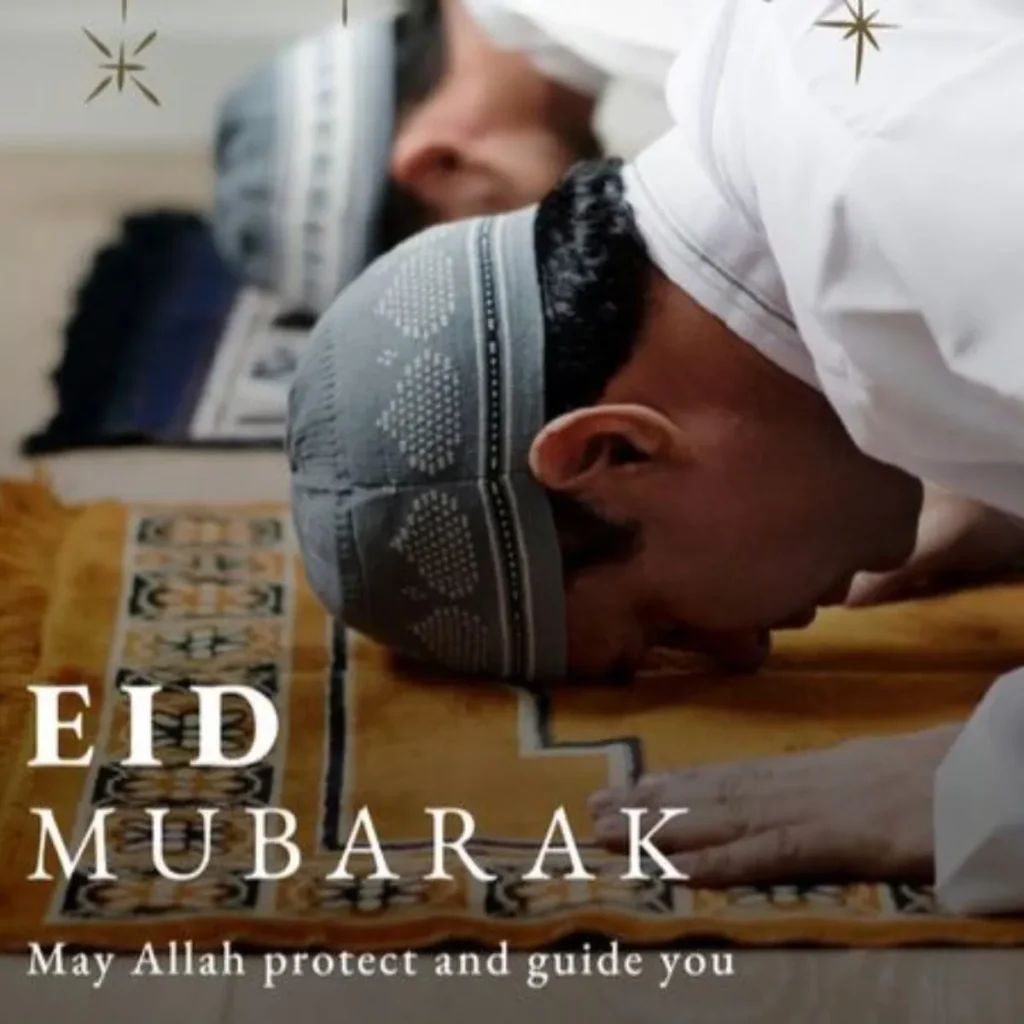
Origin:
A modern, warm phrase often found in social media captions and informal chats.
Example:
👤 User A: Hope you have a beautiful Eid, Samira!
👤 User B: You too! Enjoy the sweets!
Use:
Friendly and affectionate.
11. Eid Greetings to You and Your Family
Origin:
An English alternative that emphasizes family unity—a key part of the Eid tradition.
Example:
👤 User A: Eid greetings to you and your family!
👤 User B: Much appreciated! Wishing yours the same.
Use:
Formal or family-oriented; good for messages and cards.
12. Have a Blessed Eid al-Fitr / Eid al-Adha
Origin:
Custom-tailored greetings depending on the Eid. Emphasizes the type of celebration.
Example:
👤 User A: Have a blessed Eid al-Adha!
👤 User B: You too! May your sacrifices be accepted.
Use:
Specific, respectful, and appropriate for either Eid holiday.
13. Joyous Eid to You
Origin:
A poetic and modern expression of goodwill.
Example:
👤 User A: Joyous Eid to you and yours!
👤 User B: Thank you! May it bring us all peace.
Use:
Semi-formal, good for social media or cards.
14. Sending Love This Eid
Origin:
An informal, affectionate phrase used mostly in Western or multicultural settings.
Example:
👤 User A: Sending love this Eid!
👤 User B: Aww, love you too! Enjoy your day.
Use:
Friendly, emotional, good for close relationships.
15. May This Eid Bring You Peace and Joy
Origin:
A heartfelt wish rooted in the spiritual essence of Eid—peace, gratitude, and unity.
Example:
👤 User A: May this Eid bring you peace and joy.
👤 User B: Ameen! What a beautiful message.
Use:
Sincere and thoughtful, good for interfaith or universal greetings.
FAQs
- What is the correct way to say Happy Eid in Arabic?
The most common phrase is “Eid Mubarak” which means “Blessed Eid.” - What does Eid Mubarak mean?
It means sending blessings, peace, and joy to someone during Eid celebrations. - How do you reply to “Eid Mubarak”?
You can say “Eid Mubarak” back or “Khair Mubarak.” - Is it okay for non-Muslims to say Eid Mubarak?
Yes! It is considered respectful and kind. - How do you say Happy Eid formally?
Use: “Taqabbalallahu minna wa minkum” (May Allah accept from us and you). - How do you say Happy Eid casually?
Simply say “Eid Mubarak!” with a smile 😊. - When do people say Eid Mubarak?
It is said at the start of Eid day and throughout the celebration. - Do people say Eid Mubarak on both Eid al-Fitr and Eid al-Adha?
Yes, the greeting is used for both Eid holidays. - How do you say Happy Eid in Urdu?
Say: “Eid Mubarak!” (same wording, just Urdu pronunciation). - How do you make your Eid Mubarak greeting more meaningful?
Add a personal touch:- “Eid Mubarak! Wishing you joy and peace.”
- “Eid Mubarak! May your home be filled with blessings.”
Conclusion:
Mastering how to say Happy Eid allows you to share joy and strengthen bonds during this special celebration. Whether you choose the traditional Eid Mubarak, a heartfelt Arabic phrase, or a friendly English greeting, your words can spread warmth and positivity.
By learning these greetings, you not only show cultural respect but also join in the spirit of togetherness that defines Eid. Remember — a sincere “Happy Eid” can brighten someone’s day and make the celebration even more meaningful.

Liam Bennett is a dedicated content writer who creates clear, engaging, and well-structured articles.
He focuses on delivering practical information that is easy for readers to understand and apply.
Liam Bennett currently writes high-quality content for repliesnest.com, ensuring clarity and reliability.