If you’re wondering how to say Happy Passover, you’re in the right place. Passover (called Pesach in Hebrew) is a Jewish holiday that celebrates freedom and family traditions. People greet each other with warm wishes to show respect, love, and joy.
Learning how to say Happy Passover is a thoughtful way to connect with friends, celebrate together, or send a meaningful message — even if you’re not Jewish. Let’s explore the most common and easy ways to say it with confidence.
Even a simple greeting can make the celebration feel more meaningful.
So let’s learn how to say it respectfully and naturally.
Say Happy Passover (2025)
Let’s explore 15 heartfelt ways to say Happy Passover, with sample dialogues and the cultural background behind each phrase.
How to Say Happy Passover — 15 Short Phrases (In Short)
| # | Phrase | Meaning |
|---|---|---|
| 1 | Happy Passover | Normal English wish |
| 2 | Chag Sameach | Happy Holiday |
| 3 | Pesach Sameach | Happy Passover (Hebrew) |
| 4 | Happy Pesach | Mix of English + Hebrew |
| 5 | Have a blessed Passover | Warm & respectful |
| 6 | Wishing you a joyful Passover | Nice greeting |
| 7 | Enjoy the Passover celebration | Friendly tone |
| 8 | Sending Passover blessings | Soft & kind |
| 9 | May your Passover be peaceful | Thoughtful |
| 10 | Warm Passover wishes | General good wish |
| 11 | Chag Pesach Sameach | Complete Hebrew greeting |
| 12 | Hope your Seder is meaningful | For celebrating families |
| 13 | Happy Passover to you and yours | Family-friendly |
| 14 | Wishing you light and joy this Passover | Sweet tone |
| 15 | Blessings to your home this Passover | Caring message |
1. Happy Passover
Origin:
A straightforward English greeting that’s widely used by both Jewish and non-Jewish speakers.
Example:
👤 User A: Happy Passover to you and your family!
👤 User B: Thank you! Same to you!
Use: Friendly and general, appropriate in all settings.
2. Chag Sameach (חַג שָׂמֵחַ)

Origin:
Hebrew for “Happy Holiday.” Used during all major Jewish festivals, including Passover.
Example:
👤 User A: Chag Sameach!
👤 User B: Chag Sameach to you too!
Use: Traditional, respectful, and widely recognized in Jewish communities.
3. Chag Pesach Sameach (חַג פֶּסַח שָׂמֵחַ)
Origin:
More specific than “Chag Sameach” — it means “Happy Passover Festival.”
Example:
👤 User A: Chag Pesach Sameach!
👤 User B: Todah! (Thanks) You too!
Use: Formal and specific; great for cards, emails, or ceremonies.
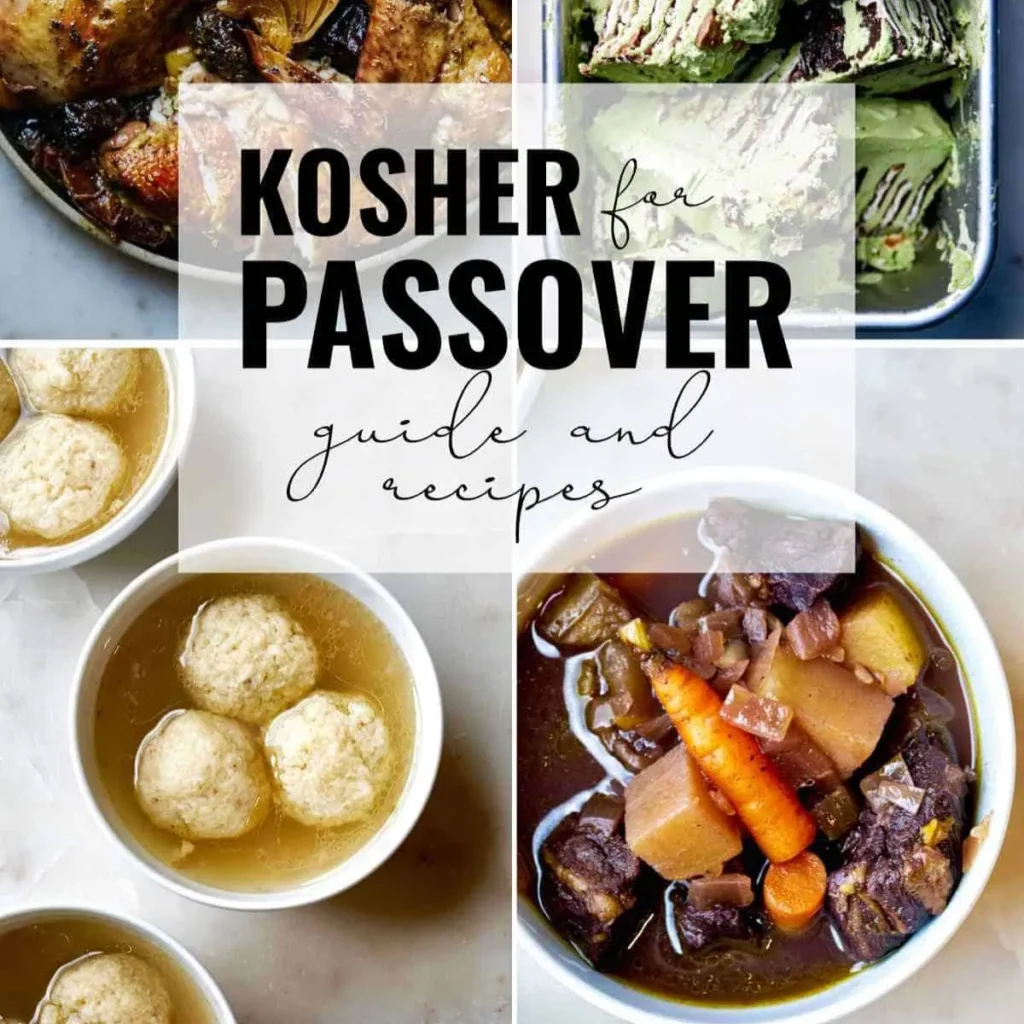
4. Have a sweet and kosher Passover
Origin:
This greeting reflects traditional Passover dietary laws and the custom of eating sweet foods to symbolize hope and freedom.
Example:
👤 User A: Wishing you a sweet and kosher Passover!
👤 User B: That’s so kind, thank you!
Use: Thoughtful and observant; used in religious or formal contexts.
5. Happy Pesach
Origin:
“Pesach” is the Hebrew word for Passover. This is a hybrid greeting combining English and Hebrew.
Example:
👤 User A: Happy Pesach!
👤 User B: Thank you! Wishing you the same!
Use: Friendly and slightly more culturally specific than “Happy Passover.”
6. Wishing you freedom and joy this Passover
Origin:
References the theme of liberation from slavery, which is central to the Passover story.
Example:
👤 User A: Wishing you freedom and joy this Passover.
👤 User B: That’s beautiful—thank you so much.
Use: Reflective and meaningful; perfect for deeper or spiritual greetings.
7. Blessed Passover
Origin:
Used in more spiritual or religious settings to offer a sense of divine blessing during the holiday.
Example:
👤 User A: Have a blessed Passover.
👤 User B: Thank you! May you be blessed as well.
Use: Formal, often used in religious cards or interfaith contexts.
8. Gut Yontif (גוט יום טוב)
Origin:
Yiddish for “Good holiday.” Commonly used among Ashkenazi Jewish communities.
Example:
👤 User A: Gut Yontif!
👤 User B: Gut Yontif, my friend!
Use: Traditional and cultural; especially used among older generations.
9. Enjoy the Seder!
Origin:
Refers to the ceremonial dinner on the first two nights of Passover that follows a specific order (seder).
Example:
👤 User A: Enjoy the Seder tonight!
👤 User B: Thanks! Hope yours is meaningful too.
Use: Friendly and specific to the start of Passover.
10. Sending love this Passover season
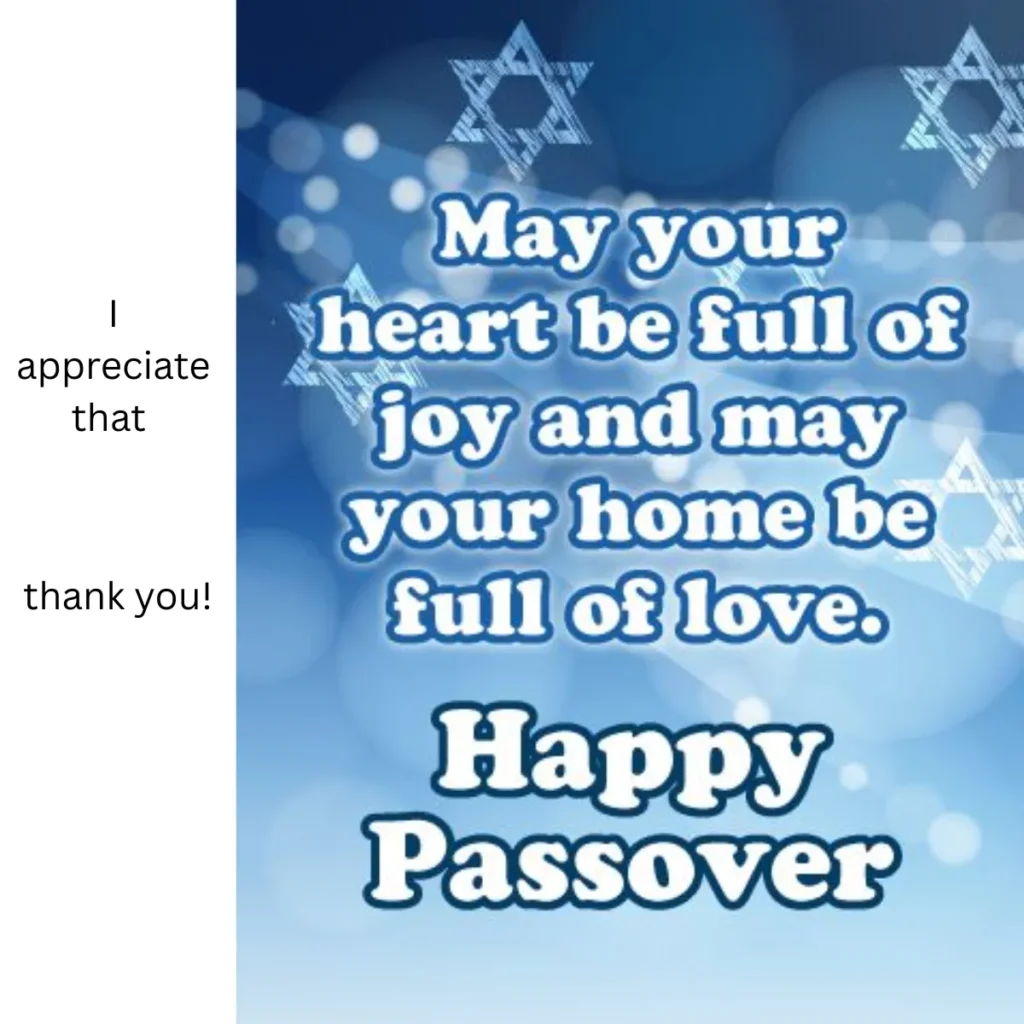
Origin:
A warm and modern way to offer emotional support during the holidays.
Example:
👤 User A: Sending love this Passover season.
👤 User B: I appreciate that—thank you!
Use: Emotional, used in personal or written messages.
11. Hope your Passover is filled with peace
Origin:
Highlights the value of shalom (peace), a central concept in Jewish faith.
Example:
👤 User A: Hope your Passover is filled with peace and light.
👤 User B: That’s a beautiful wish. Same to you!
Use: Spiritual and poetic.
12. Have a meaningful Passover
Origin:
Emphasizes reflection, learning, and connection to heritage — all key parts of the Passover celebration.
Example:
👤 User A: Have a meaningful Passover this year.
👤 User B: Thank you. That means a lot.
Use: Serious and thoughtful; often used in community settings.
13. Wishing you renewal this Passover
Origin:
Passover often falls in spring, symbolizing renewal and rebirth.
Example:
👤 User A: Wishing you renewal and strength this Passover.
👤 User B: What a lovely message—thank you!
Use: Inspirational and seasonal.
14. Passover blessings to you and yours
Origin:
Draws from the practice of giving blessings during holidays in religious texts and traditions.
Example:
👤 User A: Passover blessings to you and yours.
👤 User B: Much appreciated! Wishing you the same.
Use: Polite and traditional.
15. Let my people go… and enjoy the matzah!
Origin:
A humorous twist on Moses’ famous words in Exodus, often used in modern jokes and memes about Passover.
Example:
👤 User A: Let my people go… and enjoy the matzah!
👤 User B: 😂 Perfect! Chag Sameach!
Use: Light-hearted and fun; great for social media or casual chats.
FAQs
- What is the most common way to say Happy Passover?
The most common phrase is “Chag Sameach” or “Pesach Sameach.” - Is “Chag Sameach” formal or casual?
It’s neutral and can be used for anyone. - What does “Pesach” mean?
Pesach is the Hebrew word for Passover. - Can I say Happy Passover in English?
Yes, “Happy Passover” is perfectly acceptable. - What greeting is best for family?
Say “Happy Passover to you and your family.” - What greeting is best for Jewish friends?
“Chag Pesach Sameach” is warm and respectful. - Do I need to know Hebrew to greet people on Passover?
No — English greetings are okay. - When do people celebrate Passover?
Passover lasts 8 days (7 in Israel). - Can I send these greetings in messages or cards?
Yes, all phrases work in person or in writing. - Is Passover a happy celebration?
Yes — it is joyful, meaningful, and family-focused.
Conclusion:
Mastering how to say Happy Passover allows you to share warm wishes and connect meaningfully during this special holiday. Whether you use a traditional Hebrew greeting like Chag Sameach or a simple Happy Passover in English, your words can help spread joy, respect, and togetherness.
By learning these greetings, you not only show cultural understanding but also honor the traditions and values of the Passover celebration.

Sophia Mitchell is a passionate content writer known for creating clear, engaging, and informative articles.
She focuses on delivering well-structured content that is easy for readers to understand and trust.
Sophia Mitchell currently contributes quality writing to repliesnest.com, helping readers find accurate answers quickly.