If you’re learning Spanish, knowing how to say Why in Spanish is very useful. Asking “why” helps you understand things, have conversations, and learn more about Spanish culture. The main word is simple, easy to remember, and works in questions with friends, teachers, or anyone you’re talking to. In this guide, you’ll learn the exact word, how to pronounce it, and how to use it naturally in everyday situations.
Spanish offers several variations of why, each with its own meaning and context, from casual conversations to more formal discussions.
Say Why in Spanish
Let’s explore 15 ways to say why in Spanish with real dialogues and origins to help you sound fluent and natural.
1. ¿Por qué? – Why?
Origin:
Directly translates to why and is the most standard and widely used form in Spanish.
Example:
👤 User A: ¿Por qué estás triste?
👤 User B: Porque extrañé a mi familia.
Use:
Universal; used in most situations to ask questions.
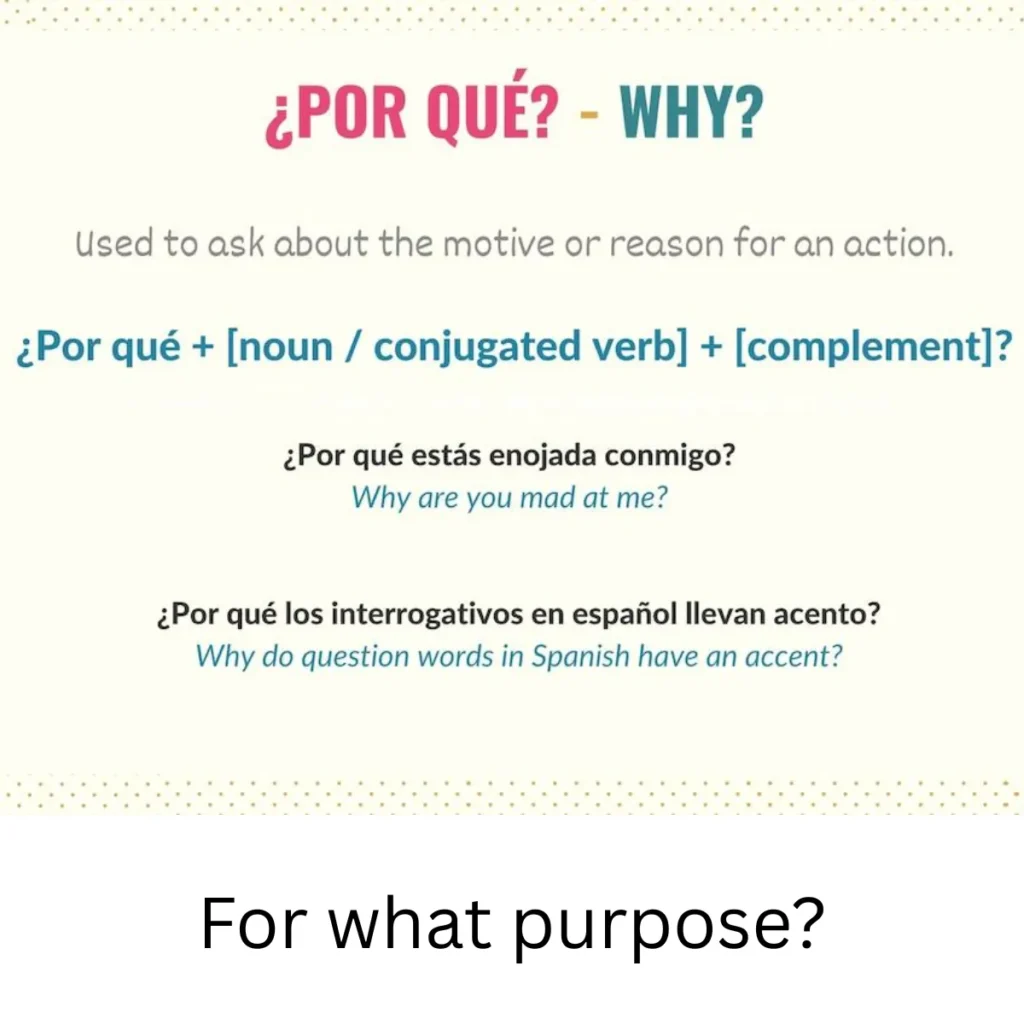
2. ¿Para qué? – For what purpose?
Origin:
Though it translates to “for what,” it’s often used where English would still say “why,” especially when asking about intention.
Example:
👤 User A: ¿Para qué estudias español?
👤 User B: Para viajar a México.
Use:
To ask about purpose or intention behind an action.
3. ¿Por qué razón? – For what reason?
Origin:
A more formal or emphatic way to ask “why,” often used in writing or formal speech.
Example:
👤 User A: ¿Por qué razón cancelaron la reunión?
👤 User B: Hubo un problema técnico.
Use:
Formal settings, written language, or when emphasizing a reason.
4. ¿Por qué motivo? – What’s the motive?

Origin:
Used to probe deeper, especially when questioning decisions or actions.
Example:
👤 User A: ¿Por qué motivo no viniste ayer?
👤 User B: Me sentía enfermo.
Use:
Formal, investigatory, or serious tone.
5. ¿Y eso? – Why’s that? / Oh yeah?
Origin:
Common in Latin America, especially Mexico, used informally when surprised or curious.
Example:
👤 User A: Me voy a mudar.
👤 User B: ¿Y eso?
Use:
Informal, often expressing surprise or interest.
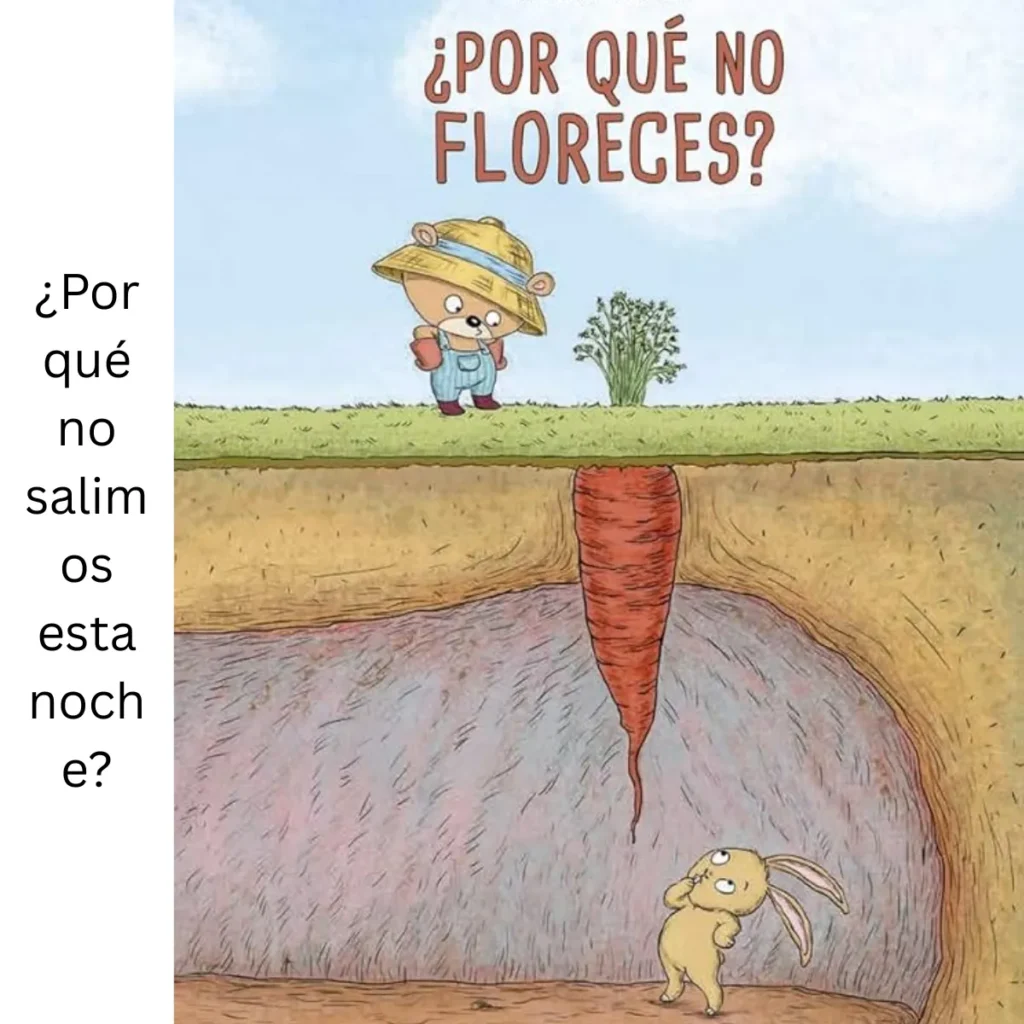
6. ¿Por qué no…? – Why don’t…?
Origin:
This is a polite or persuasive way to make suggestions, similar to English.
Example:
👤 User A: ¿Por qué no salimos esta noche?
👤 User B: ¡Buena idea!
Use:
For friendly suggestions or advice.
7. ¿Por qué será? – Why could that be?
Origin:
Adds speculation or doubt; common in conversational Spanish.
Example:
👤 User A: La tienda está cerrada.
👤 User B: Hmm… ¿por qué será?
Use:
Expresses curiosity, wonder, or mild confusion.
8. ¿Por qué dices eso? – Why do you say that?
Origin:
Used in direct conversation to ask for explanation or clarification.
Example:
👤 User A: No me gusta tu actitud.
👤 User B: ¿Por qué dices eso?
Use:
Semi-formal or casual, slightly defensive or inquisitive.
9. ¿Por qué razón exacta…? – What’s the exact reason?
Origin:
Used for clarity or when pressing someone for specifics.
Example:
👤 User A: No puedo asistir.
👤 User B: ¿Pero por qué razón exacta?
Use:
Formal or assertive tone.
10. ¿Por qué siempre…? – Why always…?
Origin:
Adds frequency, often used to express frustration or patterns.
Example:
👤 User A: ¿Por qué siempre llegas tarde?
👤 User B: Lo siento, había tráfico.
Use:
Informal; emotional or argumentative tone.
11. ¿Por qué carajos…? – Why the hell…?
Origin:
Slang in some Latin countries (e.g., Argentina, Colombia). “Carajos” adds emotion or frustration.
Example:
👤 User A: ¿Por qué carajos hiciste eso?
👤 User B: ¡Porque me dio la gana!
Use:
Very informal, emotional, even rude—use with caution.
12. ¿Por qué demonios…? – Why on earth…?
Origin:
Similar to the above, “demonios” adds disbelief or anger.
Example:
👤 User A: ¿Por qué demonios no me avisaste?
👤 User B: ¡Se me olvidó!
Use:
Frustrated, informal, emotional conversations.
13. ¿Por qué no mejor…? – Why not better…?
Origin:
Used when offering alternatives or better ideas, common in polite disagreement.
Example:
👤 User A: Vamos en taxi.
👤 User B: ¿Por qué no mejor caminamos?
Use:
Suggestive and polite.
14. ¿Por qué lo hiciste? – Why did you do it?
Origin:
Very common phrasing to ask for explanations after an action.
Example:
👤 User A: Rompiste la lámpara.
👤 User B: ¿Por qué lo hiciste?
Use:
General conversation or confrontation.
15. ¿Por qué no me dijiste? – Why didn’t you tell me?
Origin:
Frequently used in personal conversations when someone feels left out.
Example:
👤 User A: Fui al concierto ayer.
👤 User B: ¿Por qué no me dijiste?
Use:
Emotional tone, close relationships.
FAQs
- What is the basic word for “Why” in Spanish?
The word is “Por qué.” - How do you pronounce “Por qué”?
It’s pronounced por keh. - Is there a difference between “Porque” and “Por qué”?
Yes:- Por qué = Why (used in questions)
- Porque = Because (used in answers)
- Can I use “Por qué” in any question?
Yes, it works for most “why” questions in Spanish. - How do you say “Why are you late?” in Spanish?
Say “¿Por qué llegaste tarde?” - How do you say “Why is this happening?” in Spanish?
Say “¿Por qué está pasando esto?” - Can “Por qué” be used in informal conversations?
Yes, it’s used both formally and informally. - How do you write “Why not?” in Spanish?
Say “¿Por qué no?” - How do I ask “Why did you do that?” in Spanish?
Say “¿Por qué hiciste eso?” - Is “Por qué” used in all Spanish-speaking countries?
Yes, it’s universally understood wherever Spanish is spoken.
Conclusion:
Mastering how to say why in Spanish will make your questions sound more natural, clear, and culturally appropriate. Whether you’re having casual chats with friends or asking important questions in formal situations, choosing the right form of why shows your understanding of Spanish nuances.By practicing these phrases, you’ll improve your fluency, express curiosity more effectively, and engage in deeper conversations. Remember — the right why in Spanish can open the door to better communication and stronger connections.

Sophia Mitchell is a passionate content writer known for creating clear, engaging, and informative articles.
She focuses on delivering well-structured content that is easy for readers to understand and trust.
Sophia Mitchell currently contributes quality writing to repliesnest.com, helping readers find accurate answers quickly.