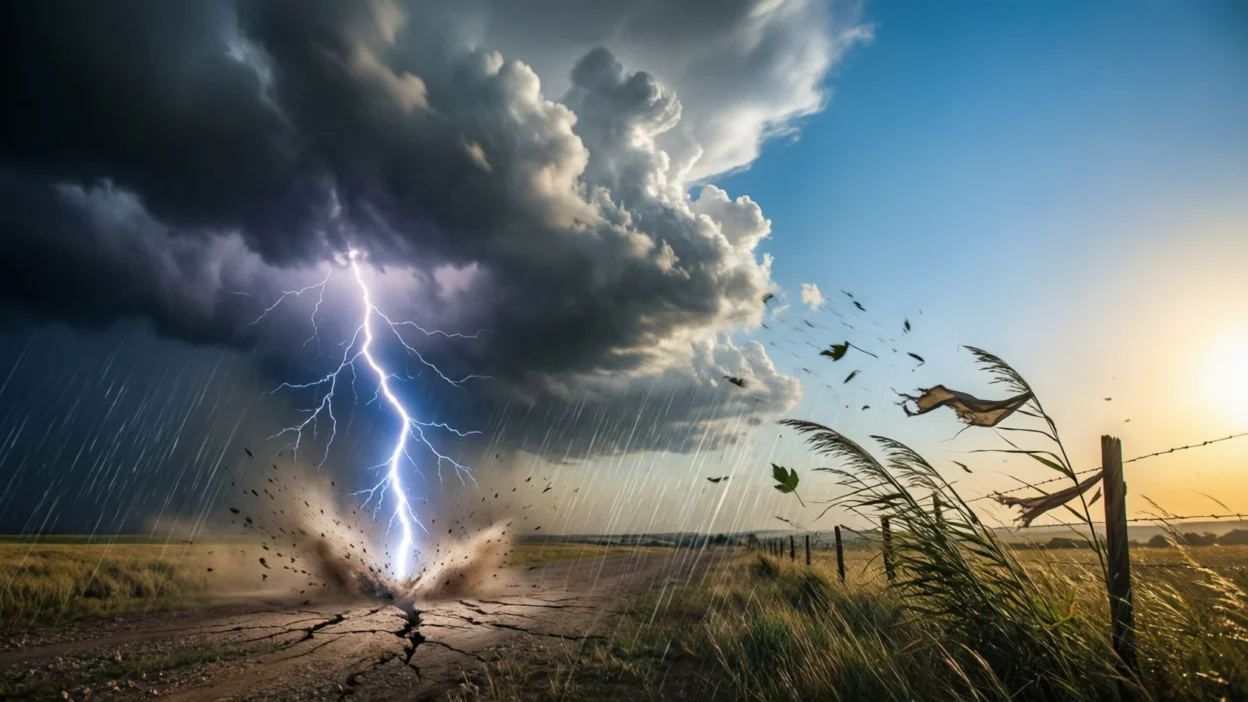
Isolated thunderstorms are storms that occur in small, scattered areas. Only some locations experience rain, lightning, and wind while nearby areas remain dry.
Isolated thunderstorms are storms that happen in small areas. Not everyone in a city or town will see them.
Some places might be sunny while others get rain and lightning. These storms can be strong, even if they are only in one spot.
Knowing about isolated thunderstorms helps people stay safe and plan their day.
What Are Isolated Thunderstorms?
An isolated thunderstorm is a storm that forms in a few scattered spots. Unlike big storms that cover a large area, these storms are small and spread out.
Meteorologists use radar to see where these storms are happening. Some clouds in one neighborhood can pour rain while nearby areas stay dry.
How Thunderstorms Form
Thunderstorms form when warm, moist air rises into the sky. The air cools and forms big clouds called cumulonimbus clouds. Inside the clouds, water droplets collide, making lightning.
The air pushes rain down in heavy showers. Winds can move these clouds quickly, making the storm appear in one place and disappear in another.
Key Weather Entities in Isolated Thunderstorms
Here are the main parts of an isolated thunderstorm:
- Lightning – A flash of electricity in the sky.
- Rain shower – Heavy rain in one spot.
- Storm cell – The part of the storm that has all the rain, lightning, and wind.
- Localized weather patterns – Small areas of the atmosphere that cause the storm.
These entities work together to make a small but strong storm.
Causes of Isolated Thunderstorms
Isolated thunderstorms often happen because of small, local changes in weather:
- Warm ground – When the sun heats the earth, air rises.
- High humidity – Moist air can form clouds faster.
- Air disturbances – Small winds or pressure changes can start a storm.
Even small changes can make a strong storm in one area.
Weather Patterns That Lead to Isolated Thunderstorms
Some patterns in the sky make these storms more likely:
- Cumulonimbus clouds – Big, tall clouds that bring rain and lightning.
- Temperature differences – Warm and cool air meet to make storms.
- Wind shear – Winds moving at different speeds can tilt the cloud and make it stronger.
These patterns help meteorologists predict isolated thunderstorms.
Difference Between Isolated and Scattered Thunderstorms
People sometimes confuse isolated and scattered storms.
- Isolated thunderstorms happen in very few places. Only 10–20% of the area gets rain.
- Scattered thunderstorms cover more area, about 25–50%.
Both bring rain and lightning, but isolated storms are smaller and harder to predict.
How Meteorologists Predict Isolated Thunderstorms
Meteorologists use many tools to forecast these storms:
- Weather radar – Shows where rain is falling.
- Satellites – Take pictures of clouds from space.
- Computer models – Predict where storms will form.
Even with these tools, isolated storms can appear suddenly.
Regions Where Isolated Thunderstorms Are Common
These storms are more common in some areas:
- Tropical zones – Warm, wet regions near the equator.
- Mountainous areas – Air rises over hills and mountains.
- Summer months – Heat makes storms more likely.
Knowing where storms happen helps people stay safe.
Effects of Isolated Thunderstorms
Even though these storms are small, they can have strong effects:
- Heavy rain – Can cause local flooding.
- Lightning – Dangerous if you are outside.
- Wind gusts – Can break tree branches or damage roofs.
- Short duration – Storms appear fast and disappear quickly.
It is important to respect even a small storm.
Safety Tips During Isolated Thunderstorms
Safety is key when storms happen:
- Stay indoors if lightning is near.
- Avoid open fields, tall trees, and water.
- Drive carefully; wet roads can be slippery.
- Listen to weather apps or radio for updates.
- Don’t use electrical appliances during a storm.
Following these tips can prevent injuries and accidents.
Common Misconceptions About Isolated Thunderstorms
Some people think isolated storms are harmless, but they can be strong:
- Lightning can strike far from the rain.
- Even a short storm can cause flooding or power outages.
- Small storms can appear without warning.
It’s better to be cautious than assume safety.
Impact on Agriculture and Daily Life
Isolated thunderstorms affect farmers and communities:
- Crops – Rain can help plants grow or damage crops if heavy.
- Travel – Roads can flood or get slippery.
- Outdoor activities – Sports or events may need to pause.
Planning for small storms helps people avoid problems.
Using Technology to Track Isolated Thunderstorms
Modern technology helps track storms:
- Weather apps – Give alerts for storms in your area.
- Lightning detection tools – Show where lightning is happening.
- Online radar maps – Let you see clouds and rain moving in real-time.
Using technology keeps people informed and safe.
Climate Change and Thunderstorm Patterns
Climate change may affect storms:
- Some areas may get more frequent isolated thunderstorms.
- Stronger storms can happen with higher temperatures.
- Local weather can be unpredictable because of changing climate.
Understanding these changes helps communities prepare.
Conclusion
Isolated thunderstorms are small storms that affect only parts of an area. They form when warm, moist air rises and makes big clouds with rain, lightning, and wind. Even though they are small, they can be dangerous. People should check weather updates, follow safety tips, and respect storm warnings.
Farmers, travelers, and everyone outdoors should plan ahead. Technology like weather apps and radar makes it easier to stay safe. Learning about isolated thunderstorms helps everyone be ready and protected.
FAQs
Q1: Can isolated thunderstorms cause flooding?
Yes, heavy rain in a small area can lead to local flooding.
Q2: Are isolated thunderstorms dangerous?
Yes, lightning and strong winds can cause injuries or property damage.
Q3: How long do isolated thunderstorms last?
Usually 30 minutes to 1 hour, but lightning can strike before or after the rain.
Q4: Can you see isolated thunderstorms from far away?
Yes, clouds and lightning flashes can sometimes be seen from several miles.
Q5: How to stay safe during an isolated thunderstorm?
Stay indoors, avoid water and open areas, and monitor weather alerts.

Josh Clark is an experienced writer known for producing well-researched and engaging content.
He specializes in simplifying complex topics into clear, reader-friendly explanations.
Josh Clark currently contributes informative articles to repliesnest.com, focusing on accuracy and value for readers.