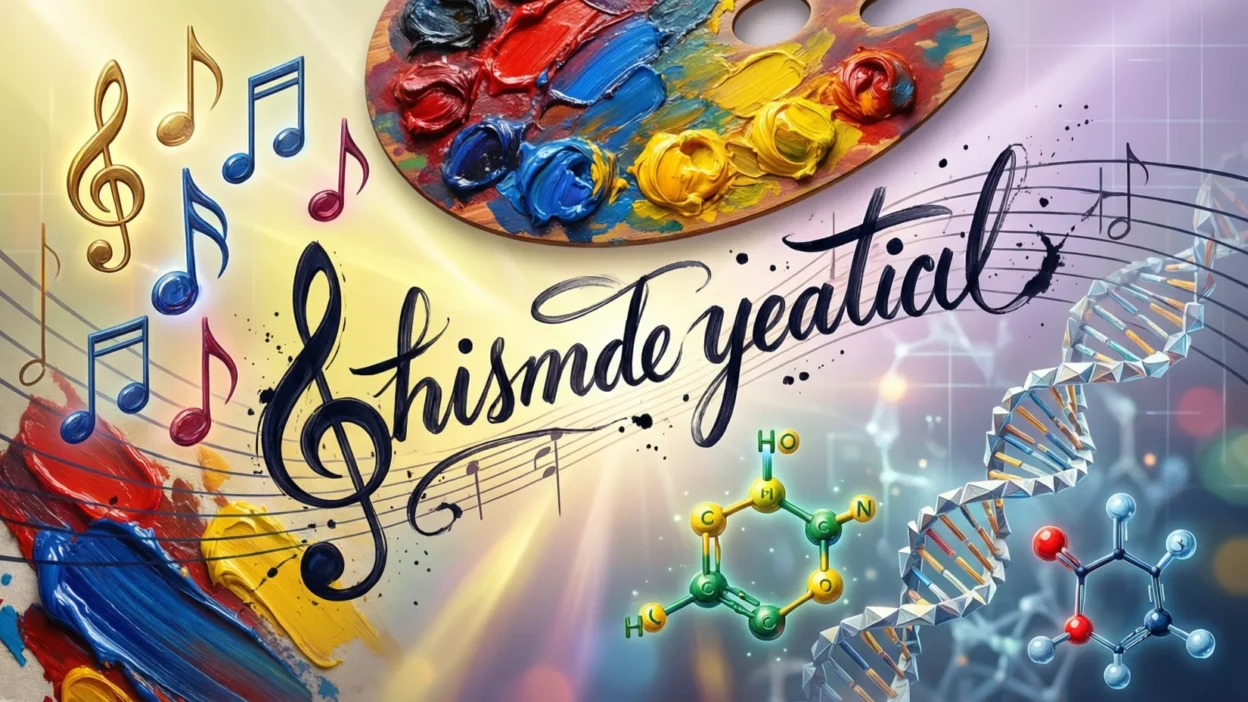
Composition is the way parts come together to make a whole. It is in everything we do. From writing a story, painting a picture, playing music, or mixing chemicals, composition is key.
When we understand composition, we can make our work better, clear, and more creative.
Composition is about structure, arrangement, and elements. Knowing these helps students, artists, musicians, and scientists.
In this article, we will learn what composition is, its types, techniques, and why it is important.
Understanding Composition
What Composition Means
Composition is putting things together. The parts can be small or big. They form a complete work. It can be a story, a song, a painting, or even a chemical. Composition is everywhere.
For example:
- Arranging books on a shelf.
- Mixing colors to make a new shade.
- Writing sentences to tell a story.
All these show composition in action.
Key Elements of Composition
Every composition has elements. Elements are the small parts that make the whole.
- Structure – This is the order or plan. Structure makes the work organized.
- Arrangement – This is how the parts are placed. It affects how the work looks or sounds.
- Organization – This keeps the parts in a clear and logical way.
When we control these, we can create strong and good compositions.
Types of Composition
Composition is different in each field. Let’s explore the main types.
1. Writing Composition
Writing composition is when we put words together to make a story, essay, or report.
- Essays – Short pieces that explain ideas or feelings.
- Stories – Words that tell a tale with characters and events.
- Reports – Writing that gives facts or explains information.
Tips for Writing
- Plan your work. Think about the start, middle, and end.
- Organize your ideas. Make sure they flow.
- Use clear sentences. Avoid long and hard words.
- Revise and edit. Check for mistakes.
Writing composition helps students think clearly and express ideas well.
2. Music Composition
Music composition is making songs or instrumental pieces. It uses notes, rhythm, and instruments.
- Melody – The main tune that people remember.
- Harmony – Notes that go together with the melody.
- Rhythm – The beat that makes music move.
- Instrumentation – The instruments used to play the music.
Famous compositions include symphonies, songs, and film scores.
Tips for Music Composition
- Start with a melody.
- Add harmony to make it richer.
- Use rhythm to keep it moving.
- Experiment with instruments.
Music composition shows creativity and emotional expression.
3. Art or Visual Composition
Art composition is the arrangement of shapes, colors, and lines in a painting or photo.
- Balance – Makes the art feel stable.
- Contrast – Shows differences in color, shape, or size.
- Focus – The main point the viewer looks at first.
- Symmetry – Makes the design equal on both sides.
A painting with good composition is pleasing to the eye.
Tips for Visual Composition
- Use the rule of thirds to place objects.
- Use color theory to combine colors nicely.
- Experiment with shapes and space.
- Practice sketching layouts first.
Art composition helps people see beauty and order.
4. Scientific or Chemical Composition
Scientific composition is about the makeup of substances. It tells what elements are in a material.
- Example: Water has two hydrogen and one oxygen (H₂O).
- Example: Salt has sodium and chlorine (NaCl).
Understanding chemical composition is important in chemistry, biology, and daily life. It helps in making new materials and solving problems.
Techniques to Master Composition
Learning composition is easier when we use proper techniques.
A. Techniques for Writing
- Plan your work before writing.
- Write clear and short sentences.
- Use paragraphs to separate ideas.
- Revise your work for grammar and flow.
B. Techniques for Music
- Write a simple melody first.
- Add harmony and rhythm gradually.
- Listen and improve your composition.
- Experiment with different instruments.
C. Techniques for Art
- Use the rule of thirds.
- Focus on balance and symmetry.
- Use colors that match or contrast well.
- Sketch before painting or designing.
Benefits of Understanding Composition
Knowing composition has many benefits:
- Boosts creativity – Helps make new ideas and works.
- Improves organization – Makes work clear and easy to understand.
- Enhances skills – Good for writing, music, art, and science.
- Builds problem-solving – Arranging parts correctly teaches logic.
- Useful in life – Composition is in cooking, planning, designing, and more.
Conclusion
Composition is everywhere. It is in stories, songs, paintings, and science. It is about elements, structure, and arrangement. Learning composition helps you create, organize, and express ideas.
Practice writing, music, art, or chemistry. Mastering composition will make your work clear, beautiful, and effective.
Remember: composition is not just a skill. It is the way to make your ideas come alive.
FAQs About Composition
1. What is composition in simple words?
Composition is putting parts together to make a whole. It can be in writing, music, art, or science.
2. How is music composition different from writing composition?
Music composition uses sounds, notes, and instruments. Writing composition uses words, sentences, and paragraphs.
3. What are the key principles of visual composition?
Balance, contrast, focus, symmetry, and proper arrangement of elements.
4. Why is composition important in science?
It tells what elements are in a substance. It helps us understand materials and make new things.
5. How can beginners improve their composition skills?
Practice regularly, learn basic techniques, plan work, and revise.
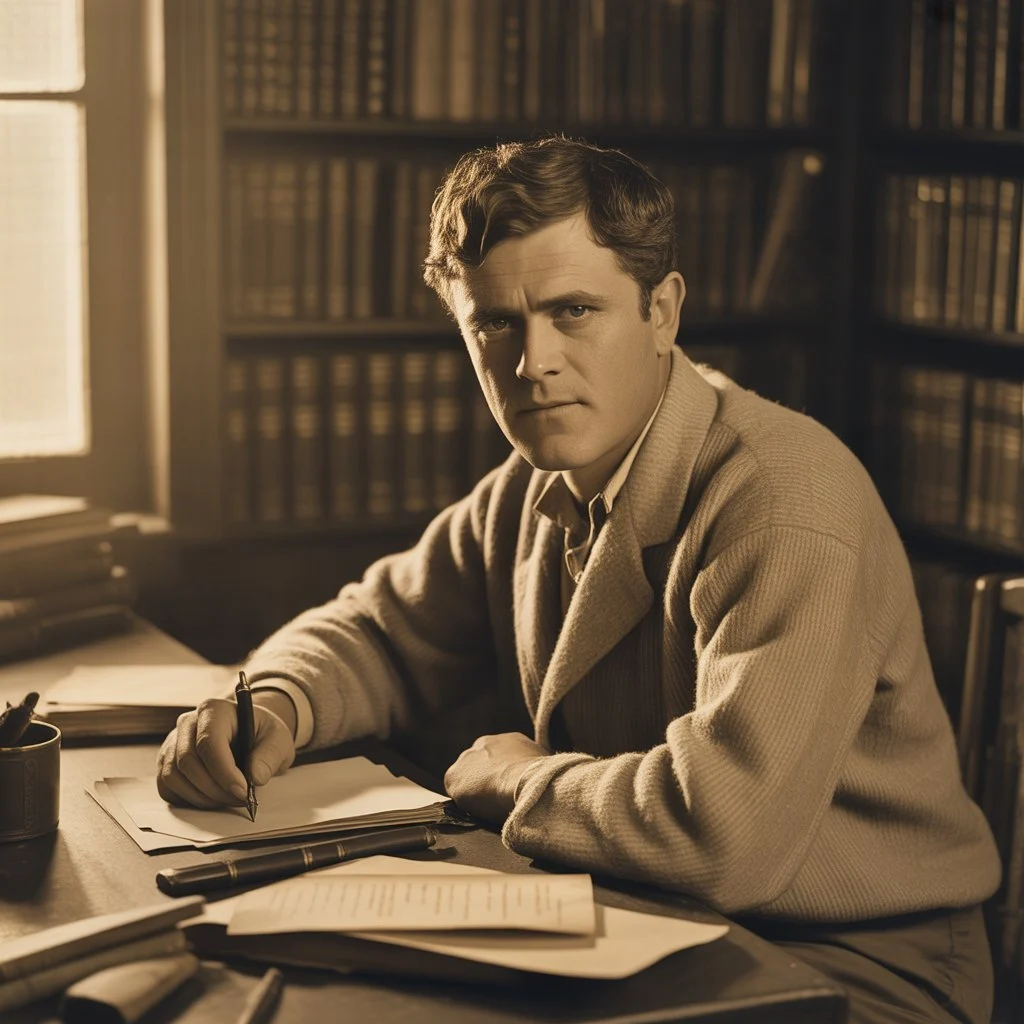
Jack London is a versatile writer with a strong ability to explain ideas in a clear and engaging way.
He focuses on creating informative, easy-to-understand content for a wide range of readers.
Jack London currently writes helpful articles for repliesnest.com, delivering trustworthy and reader-friendly information.