Religion is an important part of life for many people. When learning about Christianity, you may hear the term non-denominational. Many churches, schools, and people now use this word. But what does it really mean?
In simple terms, non-denominational means not connected to a specific church group or denomination. These churches choose not to follow the rules or structure of traditional Christian denominations. Instead, they focus on the Bible, faith, and a personal relationship with God.
This article explains the meaning of non-denominational, its beliefs, worship style, history, and why many people choose it today.
What Does Non-Denominational Mean?
The word denomination means a named religious group within Christianity. Examples include the Catholic Church, Baptist Church, Methodist Church, and Lutheran Church.
So, non-denominational means:
- Not part of a specific Christian denomination
- Not controlled by a central church authority
- Independent in beliefs and leadership
A non-denominational church does not follow one official church system. Instead, it focuses on basic Christian teachings found in the Holy Bible.
Many people see non-denominational Christianity as faith without labels.
Simple Meaning in Everyday Words
In everyday language, non-denominational means:
- No fixed religious label
- Freedom to worship without strict rules
- Focus on personal belief instead of tradition
This idea is popular with people who want a simple and direct Christian faith.
Origin and History of Non-Denominational Christianity
Non-denominational Christianity is not new. In the early days of Christianity, believers met in small groups. They had no official church buildings or denominations.
Over time, churches grew and formed organized groups. These became denominations like Catholic, Protestant, and others.
In the 20th century, many Christians wanted to return to simple Bible teaching. They wanted fewer traditions and more freedom. This led to the rise of:
- Independent churches
- Community churches
- House churches
These churches focused on faith, prayer, and Bible study without strict church rules.
Core Beliefs of Non-Denominational Churches
Even though they are independent, most non-denominational churches share common beliefs.
1. Belief in God
They believe in one God, who created everything and loves all people.
2. Jesus Christ
They believe Jesus Christ is the Son of God and the Savior of humanity.
3. The Holy Bible
The Bible is the main source of teaching and guidance. It is seen as God’s word.
4. Salvation
They teach that salvation comes through faith in Jesus, not through church membership.
5. Personal Relationship with God
Faith is personal. Each person is encouraged to build a direct relationship with God through prayer.
Worship Style in Non-Denominational Churches
One clear difference is how worship looks and feels.
Contemporary Worship
Most non-denominational churches use modern worship music. This may include:
- Guitars and drums
- Worship bands
- Simple, meaningful songs
Informal Atmosphere
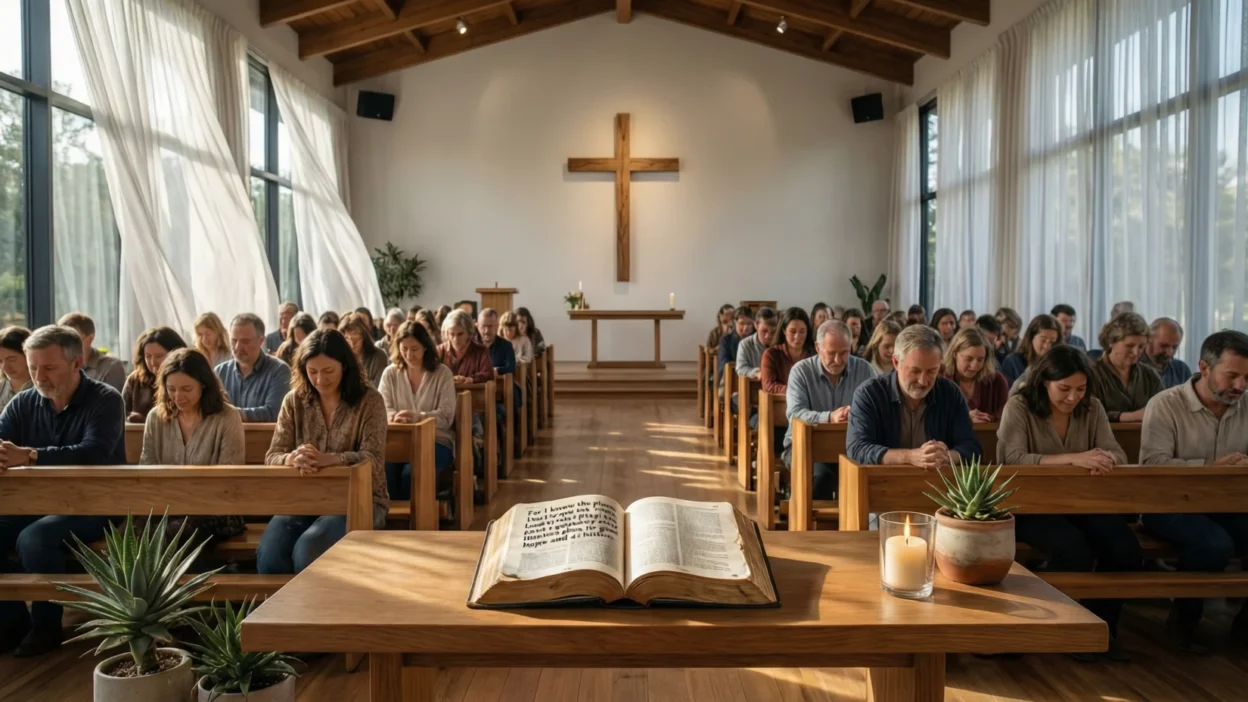
People often wear casual clothes. The setting feels welcoming and relaxed.
Focus on Teaching
Sermons focus on:
- Bible lessons
- Daily life challenges
- Christian values
The goal is to make faith easy to understand and apply.
How Non-Denominational Churches Are Organized
Unlike traditional denominations, non-denominational churches are locally governed.
Local Leadership
Each church has its own:
- Pastor or pastor team
- Church elders or leaders
They make decisions based on prayer and Bible study.
No Central Authority
There is no pope, bishop, or national leader controlling them.
Community-Based
Many are called community churches because they focus on helping local people.
Non-Denominational vs Denominational Christianity
Let’s compare the two.
Denominational Christianity
- Follows church traditions
- Has central leadership
- Uses formal worship styles
- Fixed beliefs and practices
Examples include:
- Catholic Church
- Baptist Church
- Methodist Church
- Presbyterian Church
- Pentecostal Church
Non-Denominational Christianity
- Independent and flexible
- No central authority
- Modern worship style
- Bible-focused teaching
Both follow Christianity, but their approach is different.
Why People Choose Non-Denominational Churches
Many people feel drawn to non-denominational faith for simple reasons.
1. Freedom
People enjoy religious freedom without strict traditions.
2. Simple Teaching
Teachings are easy to understand and practical.
3. Inclusive Worship
People from different backgrounds feel welcome.
4. Strong Community
Church members often support one another closely.
5. Modern Approach
The faith feels relevant to modern life.
Common Misconceptions About Non-Denominational Faith
Some people misunderstand what non-denominational means.
Myth 1: They Have No Beliefs
This is false. They strongly believe in the Bible and Jesus Christ.
Myth 2: They Are Not Christian
Non-denominational churches are fully Christian.
Myth 3: They Reject All Traditions
They may keep some traditions but are not bound by them.
Myth 4: They Are Disorganized
Most have clear leadership and structure.
Role of Non-Denominational Churches in Modern Society
Non-denominational churches play an important role today.
Helping Families
They offer:
- Youth programs
- Family counseling
- Community events
Reaching Young People
Modern worship attracts younger generations.
Social Support
Many churches help with:
- Food drives
- Education
- Charity work
Growth Worldwide
Non-denominational Christianity is growing in many countries.
Mega Churches and House Churches
Non-denominational churches come in many sizes.
Mega Churches
- Large buildings
- Thousands of members
- Strong media presence
House Churches
- Small groups
- Meet in homes
- Close relationships
Both focus on faith and community.
Is Non-Denominational Christianity Protestant?
Many people ask this question.
Most non-denominational churches are Protestant in belief, even if they do not use the label. They share beliefs like:
- Bible authority
- Faith-based salvation
However, they prefer to identify simply as Christian.
Is Non-Denominational Right for You?
Choosing a church is personal. Ask yourself:
- Do I value freedom in worship?
- Do I want simple Bible teaching?
- Do I prefer a relaxed church environment?
If yes, non-denominational Christianity may fit your faith journey.
FAQs
Is non-denominational the same as evangelical?
Some non-denominational churches are evangelical, but not all.
Do non-denominational churches follow the Bible?
Yes. The Bible is central to their faith.
Can non-denominational churches have traditions?
Yes, but traditions are not forced.
Are non-denominational churches new?
No. They reflect early Christian practices.
Conclusion
Non-denominational means choosing faith without strict labels. It focuses on the Bible, Jesus Christ, and a personal relationship with God. These churches are independent, welcoming, and modern in approach.
For many people, non-denominational Christianity offers freedom, clarity, and community. It allows believers to focus on what matters most: faith, love, and spiritual growth.

Jack London is a versatile writer with a strong ability to explain ideas in a clear and engaging way.
He focuses on creating informative, easy-to-understand content for a wide range of readers.
Jack London currently writes helpful articles for repliesnest.com, delivering trustworthy and reader-friendly information.