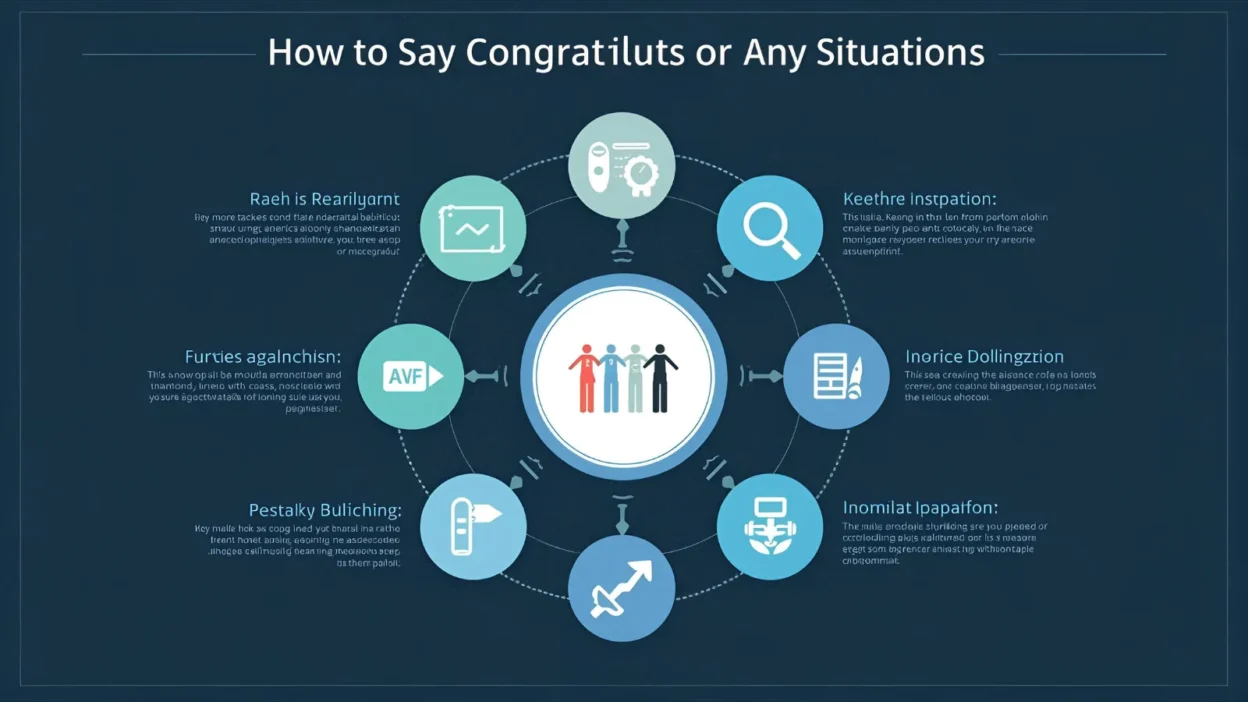
Learning How to say congratulations in any situation helps you celebrate success with the right words every time.
Whether it’s a friend’s new job, a wedding, or a small personal achievement, having different expressions of congratulations makes your message more meaningful. From casual to formal phrases, these options will let you cheer others on naturally and confidently in any setting.
Say Congratulations in Any Situation with phrases
Here are 15 creative and meaningful ways to say congratulations, complete with real-life dialogue and origin or context for each.
15 phrases table for How to Say Congratulations in Any Situation
| No. | Phrase | When to Use |
|---|---|---|
| 1 | Congratulations! | General use for any achievement |
| 2 | Congrats! | Informal, casual setting |
| 3 | Well done! | When someone completes a task or succeeds |
| 4 | Kudos! | To praise effort or success in a friendly tone |
| 5 | Hats off to you! | To show admiration for a big achievement |
| 6 | Way to go! | Motivational, casual encouragement |
| 7 | Cheers to your success! | To toast or celebrate a happy occasion |
| 8 | Bravo! | For artistic or performance achievements |
| 9 | You did it! | When someone finally achieves their goal |
| 10 | I’m so proud of you! | To express personal pride in someone’s success |
| 11 | That’s amazing—congratulations! | For exciting, surprising accomplishments |
| 12 | Huge congratulations to you! | To emphasize importance and joy |
| 13 | Here’s to your achievement! | Formal or celebratory occasions |
| 14 | Keep up the great work! | To encourage continued success |
| 15 | Many congratulations on your win! | For competitions, awards, or promotions |
1. Congratulations!

Origin:
The most classic and universal form. “Congratulations” comes from Latin congratulatio, meaning “to wish joy.”
Example:
👤 User A: I just got accepted into university!
👤 User B: Congratulations! You totally deserve it.
Use: Formal or informal; works in any setting.
2. Congrats!
Origin:
A short and informal version of “congratulations,” common in texting or casual speech.
Example:
👤 User A: We’re engaged!
👤 User B: Wow, congrats! That’s amazing news.
Use: Very casual and friendly.
3. Well done!

Origin:
British in tone, this phrase is often used when someone has performed something skillfully.
Example:
👤 User A: I finally finished my thesis!
👤 User B: Well done! That must feel like a huge relief.
Use: Encouraging, friendly, and affirming.
4. Nice going!
Origin:
A U.S. English idiom that emerged in the mid-20th century, usually in a casual context.
Example:
👤 User A: I beat the high score!
👤 User B: Nice going! You crushed it!
Use: Informal, enthusiastic; good for games or casual wins.
5. Kudos!
Origin:
From Greek kudos meaning “glory” or “praise.” Originally used in academic or professional circles.
Example:
👤 User A: I published my first article today.
👤 User B: Kudos! Can’t wait to read it.
Use: Formal or intellectual tone, often used in writing or speeches.
6. Hats off to you!
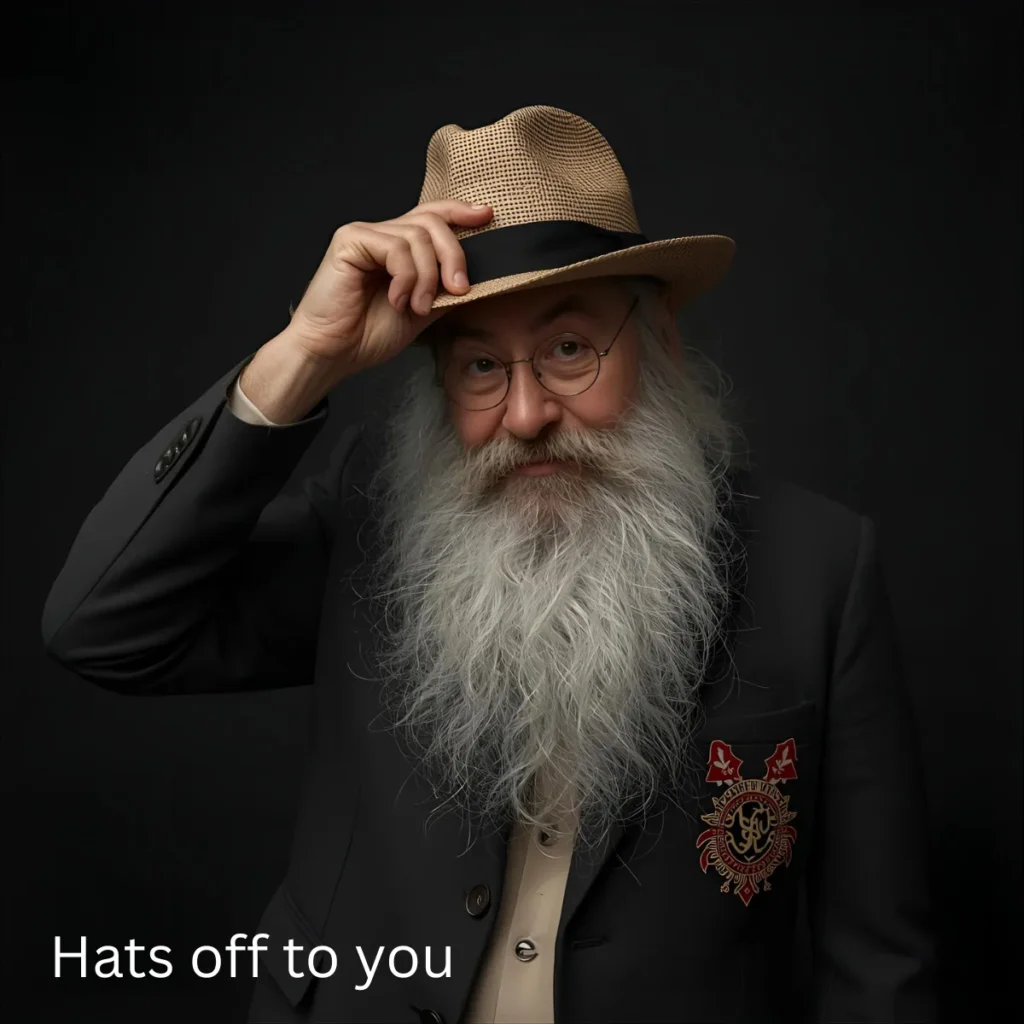
Origin:
An old-fashioned phrase from the time when removing your hat was a sign of respect.
Example:
👤 User A: I ran my first marathon.
👤 User B: Hats off to you! That’s impressive.
Use: Respectful and appreciative; semi-formal.
7. Way to go!
Origin:
American English, gaining popularity in the 1960s. A spirited way to say “good job.”
Example:
👤 User A: We won the science competition!
👤 User B: Way to go! Your hard work paid off!
Use: Cheerful and motivating; informal.
8. You did it!
Origin:
A personal and emotional expression—great for close friends or family.
Example:
👤 User A: I finally passed my driving test.
👤 User B: You did it! I knew you could!
Use: Supportive and emotional; casual.
9. Bravo!
Origin:
Italian for “well done,” often used in theater or performances.
Example:
👤 User A: Did you like the concert?
👤 User B: Bravo! You were amazing on stage!
Use: Cultural or artistic praise; semi-formal.
10. Cheers to you!

Origin:
Common in British and Australian English; often used during toasts or celebrations.
Example:
👤 User A: I got promoted today!
👤 User B: Cheers to you! Let’s celebrate!
Use: Social and celebratory; often paired with drinks or gatherings.
11. You nailed it!
Origin:
American idiom; originally used in sports or competition when someone succeeded perfectly.
Example:
👤 User A: I aced the interview!
👤 User B: You nailed it! I’m so proud.
Use: Informal, energetic, and supportive.
12. Three cheers for you!
Origin:
A traditional celebratory chant—“Hip hip hooray!” three times.
Example:
👤 User A: Our team raised the most money for charity!
👤 User B: Three cheers for you all!
Use: Group celebrations or formal acknowledgment.
13. Big ups!
Origin:
Slang from Jamaican Patois and urban English, meaning “respect” or “props.”
Example:
👤 User A: My video just hit 1 million views.
👤 User B: Big ups, man! You’re killing it.
Use: Slang; trendy or cultural.
14. Props!
Origin:
Short for “proper respect.” Originated in hip-hop culture and urban slang in the 1980s.
Example:
👤 User A: I pulled off the event solo.
👤 User B: Major props! That’s no easy task.
Use: Cool, urban, informal.
15. High five!
Origin:
Originated in sports (baseball or basketball), first documented in the late 1970s.
Example:
👤 User A: I closed the deal!
👤 User B: High five! That’s huge!
Use: Fun, physical gesture; casual and celebratory.
FAQs
1. What is the simplest way to say congratulations?
You can simply say “Congratulations!” — it works in almost all situations.
2. How can I congratulate someone in a more heartfelt way?
Say “I’m so proud of you” or “You truly deserve this.”
3. What can I say instead of congratulations for small achievements?
Use “Nice job!”, “Well done!”, or “Great work!”
4. How do I congratulate someone formally?
Say “Please accept my sincere congratulations” or “My heartfelt congratulations to you.”
5. How do I congratulate a friend casually?
You can say “You did it!”, “So happy for you!”, or “That’s awesome!”
6. What should I say when the achievement is big (graduation, promotion, etc.)?
Try “Your hard work really paid off — congratulations!”
7. How do I congratulate someone through text?
Send something like:
“Congratulations! 🎉 So proud of you.”
8. Is it okay to congratulate early (before the event happens)?
Better to wait until it is confirmed. If not sure, say “Best of luck!” instead.
9. How do I congratulate someone in a speech or formal message?
Include appreciation:
“Your dedication and effort are truly inspiring. Congratulations.”
10. What if I don’t know the person well?
Keep it simple and polite:
“Congratulations on your achievement.”
Conclusion:
Mastering these How to say congratulations in any situation gives you the right words to celebrate life’s big and small moments.From casual chats with friends to formal occasions, these phrases make your support feel genuine and heartfelt. With the right expression, you’ll always leave a lasting impression of positivity and encouragement.

Sophia Mitchell is a passionate content writer known for creating clear, engaging, and informative articles.
She focuses on delivering well-structured content that is easy for readers to understand and trust.
Sophia Mitchell currently contributes quality writing to repliesnest.com, helping readers find accurate answers quickly.